Which Driveway Material Is Best for Your Home?

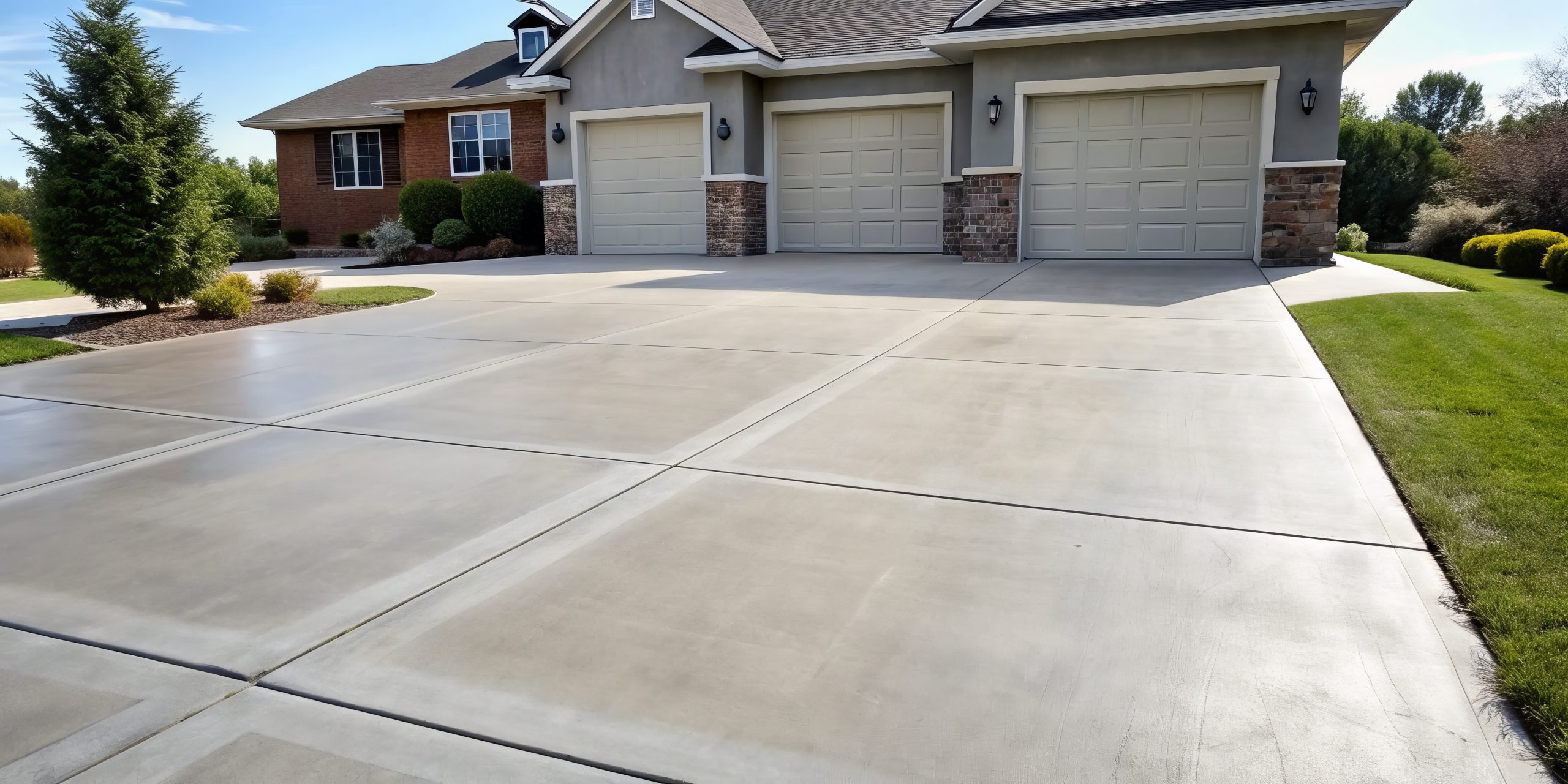
Driveway paving options include concrete, pavers, and asphalt, and the best type for your property depends on several factors that include your preferences. Homes in San Diego often have concrete driveways, which are known for their durability and aesthetics. Figuring out the best material for your driveway comes down to considering the amount of use it receives along with your preferences for maintenance over time

What Are the Most Common Paving Options for Driveways?

Concrete, asphalt, pavers, and gravel are the most common options, each offering different benefits depending on the setting. Gravel is a low-cost option often used for rural properties. But the majority of homes in residential San Diego neighborhoods use concrete in some form for their driveways. Compared to asphalt, concrete is more resistant to the warm, humid weather San Diego experiences. However, you’ll want to note there are several types of concrete driveways as well.

What’s the Difference between Pavers and Poured Concrete?

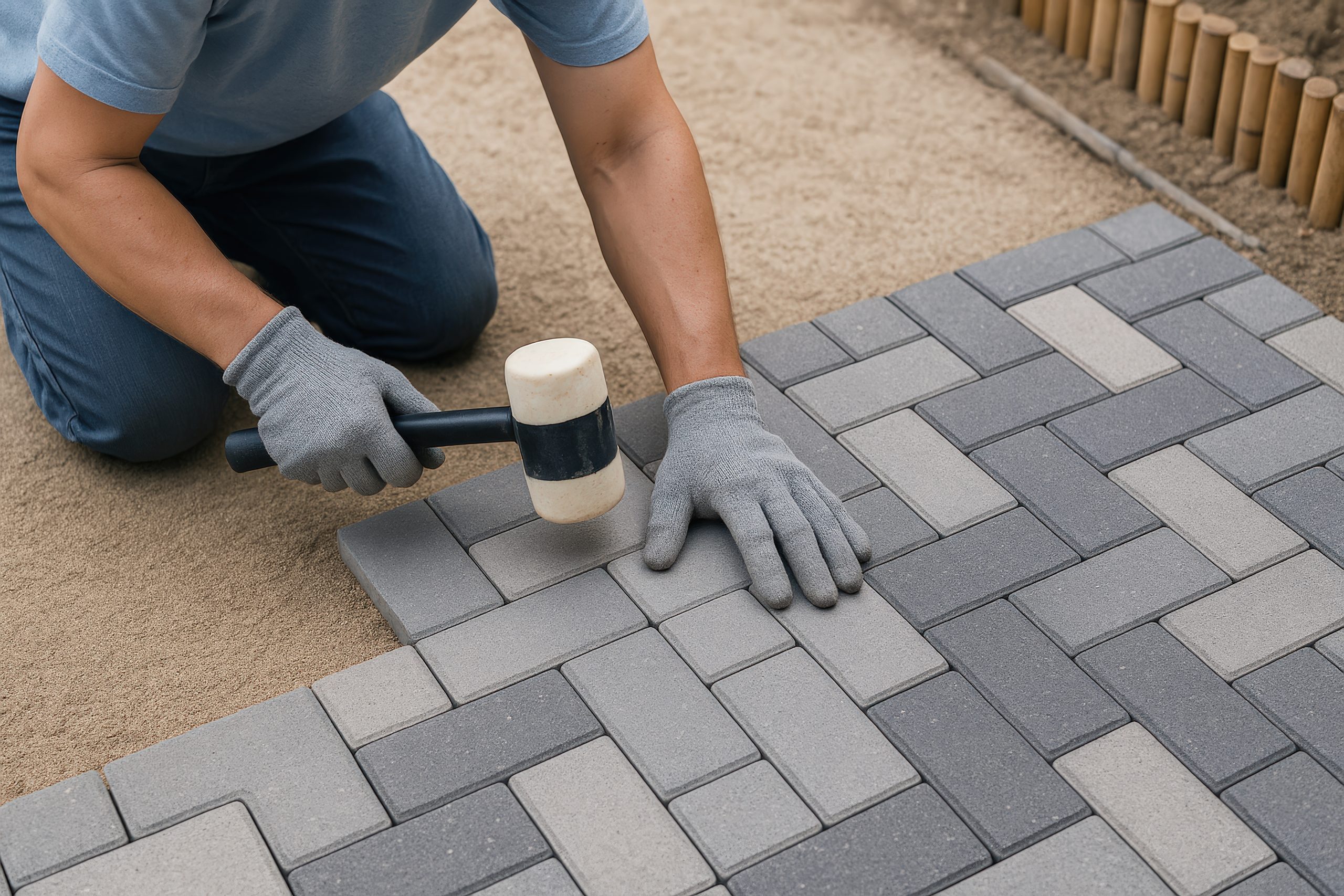
Pavers provide flexibility and design variety, while poured concrete offers a smooth, durable surface with a more uniform look. Pavers are often made from concrete or other materials commonly used in San Diego hardscapes, and they come in modular units that fit together to create one larger surface. Pavers tend to offer more durability due to their flexible properties. Permeable pavers can also allow water to drain through the gaps to reduce rainwater runoff during storms.

How Long Does It Take to Pave a Driveway?

Most driveway paving projects are completed within one day. But you might need to wait for a specific period of time before you begin to use the space. For instance, both asphalt and concrete may need time to properly cure. You can expect your San Diego outdoor remodeling team to let you know the timeline for your project. If you have a large property or are doing more than one paving project area at the same time, it might take longer.

How Do You Care for a Concrete Driveway?

Concrete driveways are low-maintenance. Similar to other paving types, you’ll want to keep debris off the surface. Sealing the driveway’s surface and joints every couple of years can also prevent cracking and protect the surface from oily stains.

Are you ready to upgrade your driveway with a solution that enhances both durability and curb appeal? The experts at GAIA Builders & Pools can help you choose the right paving option and design a space that fits your home and lifestyle. Whether you’re planning a new installation or expanding your current driveway, our team delivers high-quality craftsmanship tailored to your goals. Contact GAIA Builders & Pools today to get started on a driveway that adds lasting value to your property.

Frequently Asked Questions

Should you do multiple concrete projects on your property at once?
+

Many people choose to install a new driveway around the same time they build a pool or other outdoor entertainment areas, since the materials and process used can be similar.

How often do you seal driveways?
+

Your contractor will give you the ideal sealing schedule, but most driveways need new sealant every three to five years.

Do HOAs require specific types of driveways?
+

San Diego HOAs sometimes include driveway specifications in their covenants. Local driveway paving teams are familiar with many HOA guidelines and can help you choose the right materials.

Can you make your driveway bigger when you’re planning a repaving project?
+

Yes, many people choose to expand their driveways when they’re doing a repaving project.
When’s the Ideal Season to Install Pavers at Your Home?

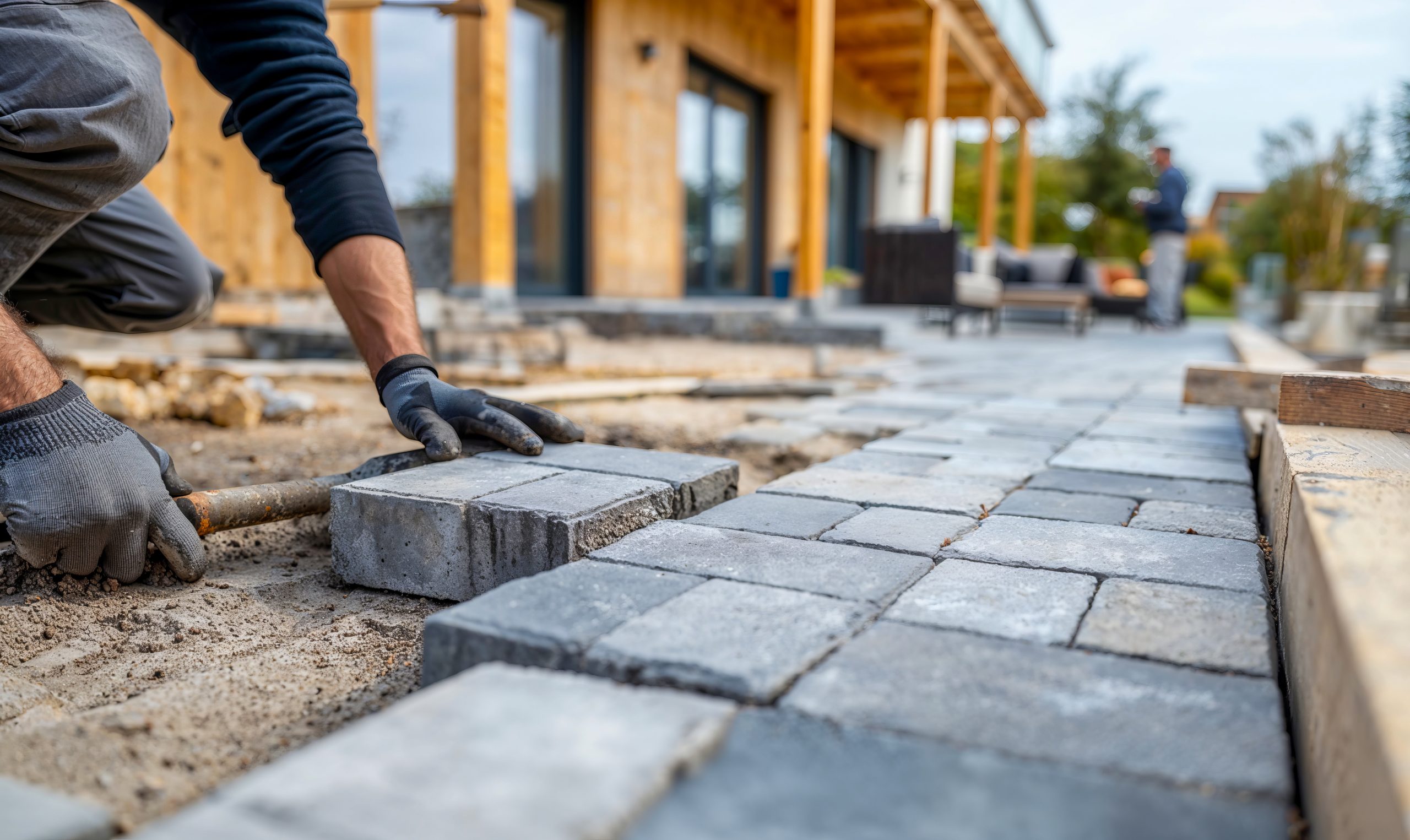
In San Diego, pavers can typically be installed year-round, but spring and fall are generally the most favorable seasons. These months offer mild temperatures, stable soil conditions, and fewer scheduling conflicts with contractors, which can ensure efficient installation and long-term durability for patios, walkways, and other hardscaping features.

Whether you’re installing pavers to create a new deck or outdoor kitchen, you’ll want to pay attention to how the different seasons can impact your decision on when to schedule the installation.

Does the Type of Project Impact the Timing?

The type of project can affect when you should schedule paver installation. For example, you might want to consider installing pavers close to when you plan a new pool installation to accomplish all of the steps of the project in a short time frame. However, you’ll usually need to wait a few weeks for the ground around a new pool to settle, which might impact when you plan the project. If your San Diego backyard design includes plans to install a walkway, a foundation for a fire pit, or other projects on undisturbed ground, you’ll be able to choose a wider time frame for the installation.

Why Would Spring Be a Good Time to Lay Pavers?

Springtime offers the most benefits for paver installations. The mild to moderate temperatures create the ideal soil conditions for a successful installation. You’ll also find the drier weather and more predictable rain patterns allow for paving contractors to work more efficiently.

What Are the Benefits of Waiting for Fall?

Fall also has fewer rainstorms that can impact when contractors work. Plus, you may find this time frame works well for installing pavers after the summer swimming season is over. Installing pavers in the fall also provides more time to allow the ground to settle and seal the hardscaping before winter temperatures arrive.

Which Time of the Year Allows for Easier Scheduling?

Off-peak seasons often make it easier to schedule contractors to lay pavers. Swimming pool and hardscaping contractors tend to view the summer as their peak operating season. While you’ll still find availability for paver installations in the summer, most homeowners find it easier to schedule hardscaping services in the off-peak seasons.

If you’re planning to upgrade your outdoor space with durable, beautiful pavers, trust the experts at GAIA Builders & Pools. Our team specializes in high-quality paver installation San Diego homeowners have trusted for more than two decades, ensuring every project is built to last with precision and style. Whether you’re updating your patio, walkway, or pool deck, we combine craftsmanship and creativity to deliver stunning results that elevate your property. Give our team a call today to learn more about our professional paver installation services and start transforming your landscape into a space you’ll love.

Frequently Asked Questions

Can bad weather delay my paver installation?
+

Yes, paving contractors often need to delay projects due to rain or other foul weather that interferes with the proper compaction of the sub-base materials.

How long does it take to get a surety bond in San Diego?+

Most hardscaping contractors offer reasonable pricing throughout the year. But you might find it more cost-effective to plan this project in the spring or fall, when contractors are better able to stick to their estimated timelines.

How long do you need to stay off new pavers?
+

Ideally, you should wait 24 to 48 hours before allowing light foot traffic on the pavers. But you may need to wait up to a month before allowing heavy vehicles or large furniture pieces to go on top of new pavers.

When do new pavers need to be sealed?
+

Although some sealers can be applied sooner, you’ll typically need to seal fresh pavers within 30 to 60 days. Your hardscaping contractor can recommend maintenance services and a schedule that fits your property’s needs

Is It Okay to Install Pavers on Dirt Directly?

Although it’s possible to lay pavers directly on dirt, it could lead to poor structure, drainage issues, and shifting or sinking. To create a more stable, level surface, use a proper base such as gravel. Below are some things to consider when laying pavers directly on dirt. 

Faster Installation

Homeowners often want to bypass time-consuming, labor-intensive steps, which is why they lay pavers directly on dirt when creating simple pathways and areas within their landscaping. They want to skip excessive digging to accommodate robust layers, eliminate the need to add and compact base materials, and bypass the requirement to add and level a sand setting bed.
By eliminating these steps, you can lay pavers more quickly. However, a faster installation could result in long-term challenges that cost you significant time. For example, the quick installation may seem great until uneven settling occurs later, as traffic and weather changes can cause soil shifts. Depending on the extent of the setbacks, these uneven settlings could require lifting and relaying the pavers or a full landscape replacement.

Reduced Costs

Site preparation, equipment, and labor are expenses that can be reduced significantly or eliminated when laying pavers directly over dirt instead of performing an installation with a proper base. As a result, some homeowners are more open to taking advantage of the reduced costs during the initial process. However, placing the pavers on an unstable base such as dirt can lead to greater natural shifting, expansion, and contraction.
Although laying pavers on dirt can eliminate the need for installing several inches of proper base, the pavers are more likely to become uneven, sink, or separate within a short time, requiring additional costs for repairs or even reinstallation. Therefore, these immediate cuts may not be as cost-efficient in the long run.

Temporary vs. Permanent

Permanent options include properly engineered foundations made of sand and gravel, and unlike pavers laid directly over dirt, sand and gravel can ensure stability and longevity, making them the best selection.

Laying pavers over dirt is more temporary due to the instability and dynamic base material that can lead to poor drainage, excessive weed growth, and shifting. This is not only a temporary fix but can also lead to more problems in the long run, making permanent, durable paver installation the best choice.

Areas and Steps to Avoid

The quick installation, low maintenance requirements, and versatility of laying pavers directly over dirt are sometimes what homeowners seek, even if it is a temporary solution. Instead, you should opt for ways to increase durability, strength, and versatility, improve drainage, and boost property appeal and value. This includes using edge restraints and applying the correct joint sand application. Properly creating a slope can reduce the risk of improper drainage.

Always have the area excavated and leveled properly, and avoid placing pavers directly over dirt in heavily used spots. A high-traffic area won’t hold up well with this option. A layer of sand is also necessary, along with careful joint filing. Whether you’re planning a simple walkway or a comprehensive landscaping design in San Diego, consulting a professional landscaper can provide the best long-lasting solutions as well as other tips about areas and steps to avoid. If you’re planning to enhance your outdoor space with a durable and beautiful hardscape, trust the experts at GAIA Builders & Pools. Our team specializes in high-quality paver installation San Diego homeowners have trusted for more than two decades, ensuring every project is built to last with precision and style. Whether you’re updating your patio, walkway, or pool deck, we combine craftsmanship and creativity to deliver stunning results that elevate your property. Give our team a call today to learn more about our professional paver installation services and start transforming your landscape into a space you’ll love.