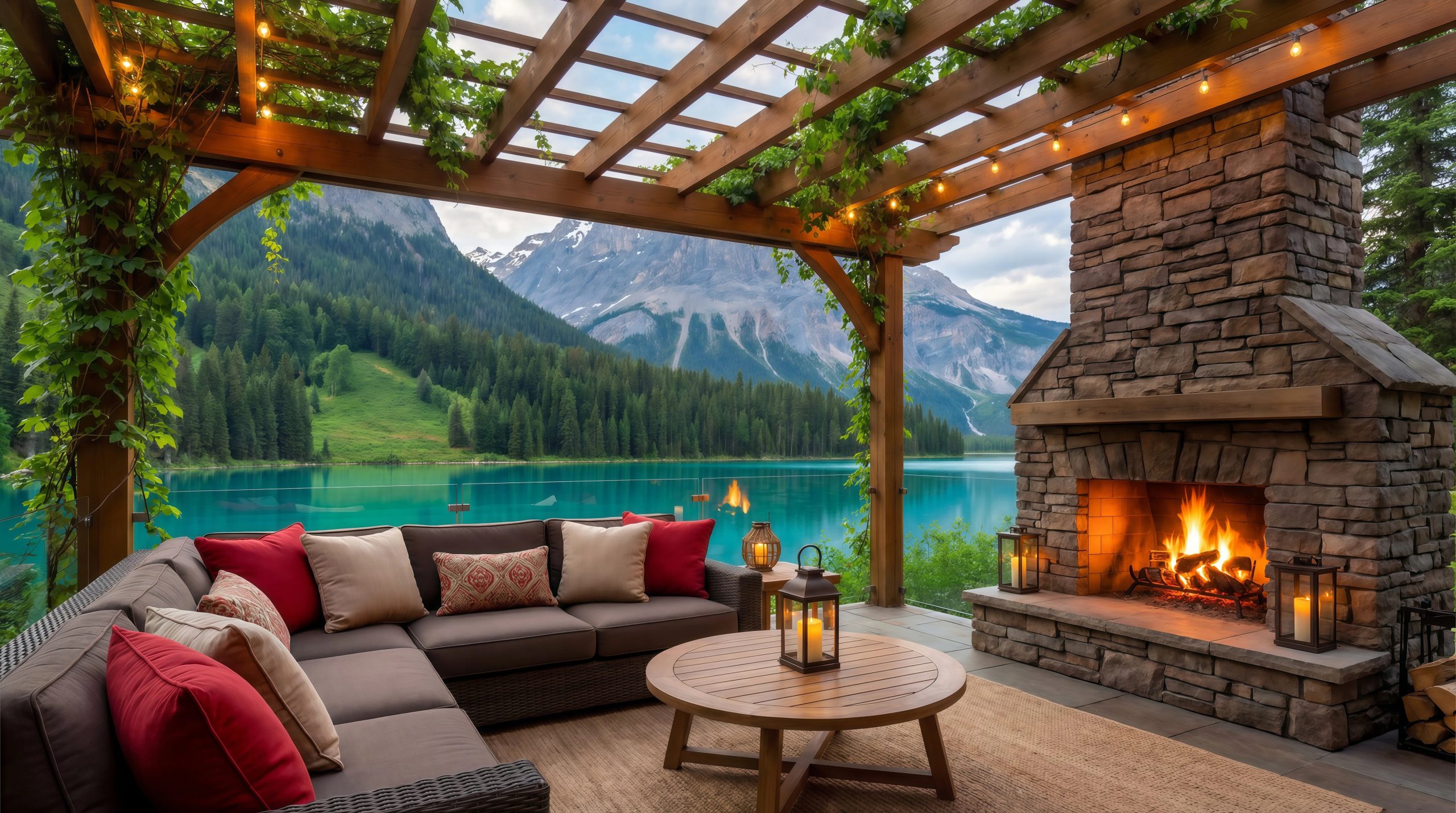
What Are the Key Design Principles for Creating a Functional and Beautiful Patio Space?

The main design principles you’ll want to follow for making a functional and stylish patio space include creating clear zones for multiple purposes and choosing the right materials. The materials patio builders use for these projects should be durable enough to stand up to the outdoor elements. Yet you’ll also want to balance durability with beauty. Following these design principles helps you create a beautiful patio that also suits your lifestyle.

What Are Common Functional Zones for Patios?

Most people use their patios for entertainment and cooking. Take a few minutes to think about what you plan to do with the space. Letting your patio builder know you want to install a grill or create room for lounge furniture helps him or her design the space with a primary function in mind.

Should a Patio Connect to the House?

Patios often serve as extensions of houses, which means many people place them near their back doors or kitchen areas. Attached patios with covers allow you to easily move from the inside of your home to outside, even on rainy days. Depending on your home’s layout, you could connect a patio to your master bedroom to allow for an easy transition to go swimming. Or you might connect it to your kitchen to make it easy to dine outside.

How Do You Make the Patio Match Your House?

Building a new patio that matches your house is easy when you work with a professional builder who knows how to match the aesthetics. Patio covers come in several styles you can choose from to look like a normal part of your house. You can also ensure you use a consistent color palette and match the materials to fit your house’s aesthetics.

What Decorative Touches Should You Include?

A covered patio gives you plenty of room to use vertical elements in the decorating scheme. Start by asking your patio builder about options that include adding curtains or retractable screens. If you choose a pergola cover, you might include a trellis that allows you to grow some beautiful vines. You can also add colorful touches of comfort by choosing patio furniture with cushions and pillows.
Are you ready to make your outdoor space more comfortable, functional, and beautiful? GAIA Builders & Pools specializes in custom patio covers designed to enhance your home and fit your lifestyle. From stylish shade structures to fully integrated outdoor living solutions, our experienced San Diego outdoor renovation team can bring your vision to life. Call us today to schedule a consultation and start transforming your backyard into a space you’ll enjoy year-round.

Frequently Asked Questions

Can you put a grill under a covered patio?
+

You typically can put a grill or even a full outdoor kitchen on your San Diego covered patio, but you’ll want to talk to your patio builder about how to make sure it’s safe.

Should you add lights to a patio space?
+

If you plan to use the patio in the evening, including lights in the design makes it more functional.

Where should you put the cooking zone in a patio design?
+

Most people choose to place any cooking appliances several feet away from the house to prevent fires and smoke from getting inside through open windows.

Can you match a new patio to the exterior of your house?
+

Yes, patio builders can use the appropriate materials and matching color schemes to create a seamless look for outdoor spaces. 

How Do Material Choices Impact the Cost, Durability, and Aesthetics of Your Pool?

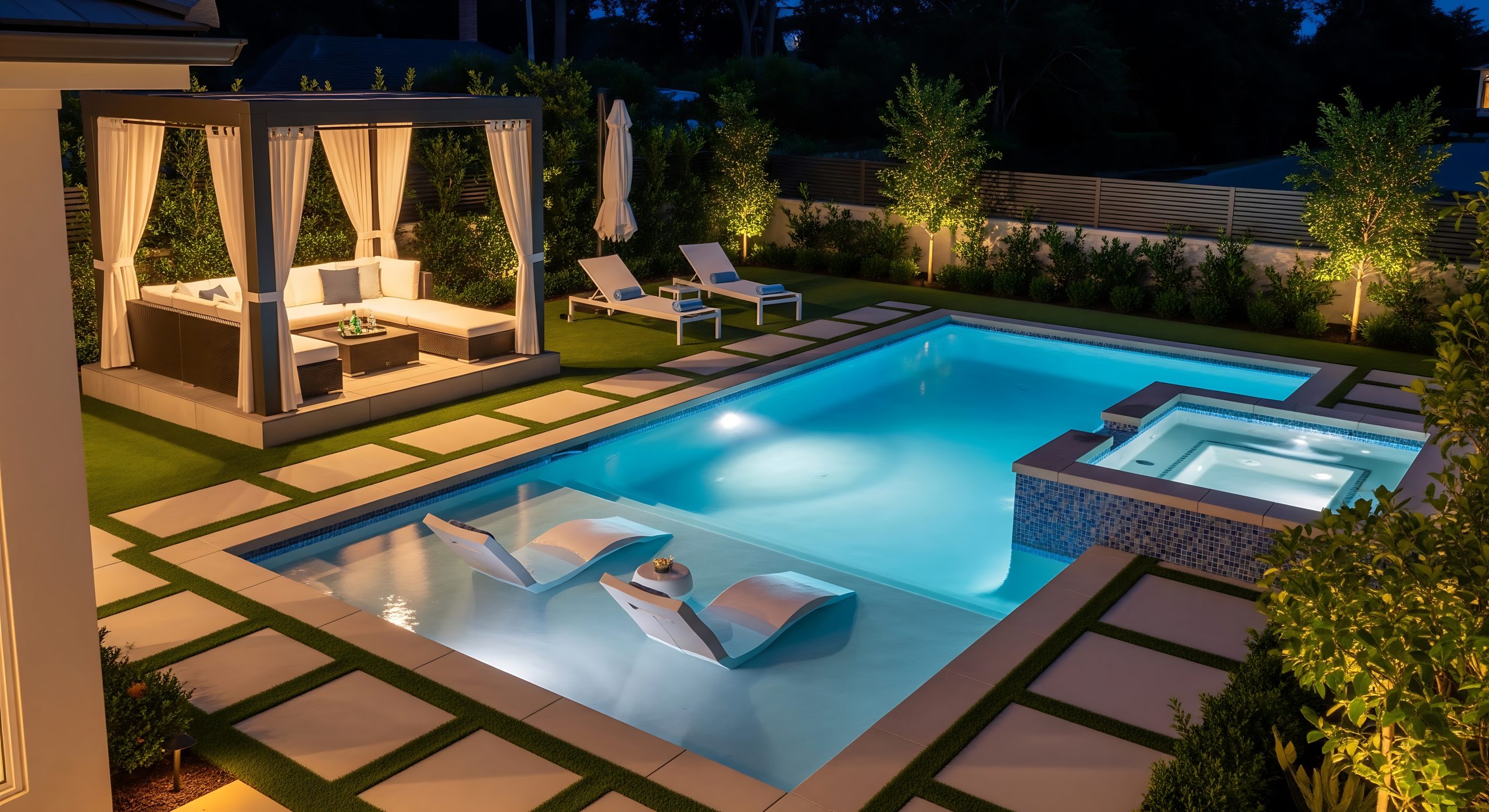
The material you choose for a swimming pool will naturally impact the cost, since a custom-made concrete pool will naturally require more expensive materials and additional labor hours compared to a vinyl one. Exploring how certain materials last longer and add to the aesthetics can also help you figure out what you want to use for your new swimming pool installation.

Do More Expensive Pool Materials Last Longer?

As a general rule, you can expect concrete or gunite pools to last longer than vinyl, which can tear easily. This is part of the reason concrete tends to increase pool installation costs, but many homeowners find the additional expense worth it when their swimming areas will last for many decades. Fiberglass tends to be a good middle ground regarding cost, with fairly good durability when you’re on a tighter budget.

What Type of Interior Finishes Cost the Most?

Plaster is the most traditional pool finish material, and it can last up to a decade. But you might need to plan for extra cleaning to prevent staining. Pebbles and quartz are the next in line for pricier pool finish options. The cost for this type of finish can vary significantly based on the size of the area you’re covering. Tile tends to cost the most, but you’ll have many options for customization that enhance the aesthetics.

Can You Enhance a Pool with Better Materials Later?

The main shell of your swimming pool is harder to replace, which is why it’s better to start with the material you plan to use for a long time. But you can work with your contractor to create a plan that allows you to upgrade to better materials in the future. For instance, many people add tile to their pools once their budgets allow for more enhancements.

How Do the Pool Materials You Choose Today Impact Your Property Value Later?

Concrete swimming pools tend to provide the highest resale value if you choose to sell your home, which is likely linked to their beauty and durability. But you should still expect other types of pools to also add to your San Diego home’s property value when the installation and landscaping design showcase professionalism in the final results.

Are you ready to transform your backyard into a personal oasis? Reach out to GAIA Builders & Pools today to work with our expert designers and contractors on creating your dream outdoor space. As a premier pool contractor San Diego homeowners have trusted for more than two decades, we transform customer dreams into reality with innovative design and custom construction. Whether you’re upgrading an existing pool or starting fresh, we’ll guide you every step of the way, and with our flexible financing options, bringing your vision to life has never been easier.

Frequently Asked Questions

Which is the least expensive material to use for your pool?
+

Vinyl is the most affordable pool material, but it might need replacement sooner than concrete.

Which pool material is the easiest to maintain over time?
+

Fiberglass has a nonporous surface that’s resistant to staining and algae growth.

Will tile or pebble pool finishes have a higher resale value?
+

Many homebuyers look for custom-built swimming pools with high-end finishes that include natural stone and tile work.

What’s the most popular swimming pool material today?
+

Concrete is still the most popular swimming pool material today due to its durability and options for customization. 

Do Retaining Walls Always Need French Drains?

When you’re dealing with retaining walls, drains are an essential part of construction. Without the proper drainage system, you could end up with standing water, uneven ground, and even collapsing walls. For almost every type of retaining wall installation San Diego properties require, a French drain is the key to getting it right. If you want the best possible retaining wall, make sure to include a French drain behind it. 

What Does a French Drain Do Behind a Retaining Wall?

This type of drain uses a permeable pipe inside a trench of gravel so it can collect all the water that otherwise runs toward your retention wall. By removing water from the retention wall area, a French drain provides several benefits: 

  • A longer lifespan for the wall
  • More even ground at the top of the wall
  • Less discoloration on the wall
  • Reduced puddles at the top and base of the wall

What Sort of French Drain Should You Put Behind Your Retaining Wall?

This will depend on the size of the retaining wall. Some walls just need a shallow French drain around 1 foot deep, while others might need trenches at least 3 feet in depth. If your wall is very tall or very long, you might also need multiple drain pipes or drainage holes incorporated into your French drain. 

What Happens if You Don’t Have a French Drain Behind a Retaining Wall?

If you’re lacking a French drain, you might not notice issues beside some lingering puddles at first. However, having a lot of waterlogged soil behind a retaining wall can cause issues over time. Your ground might start to dip, and your wall may begin to bow outward. Eventually, a lack of drainage could cause your wall to crumble. 

Are There Alternatives to French Drains?

Some types of retaining walls can work well with standard trench drains. However, the gold standard for drainage with any retaining wall is a French drain. It’s the best option because it provides drainage while ensuring stability

If you’re ready to build a retaining wall that lasts, reach out to the professionals at GAIA Builders & Pools. As top-rated experts in outdoor renovation San Diego homeowners have trusted for more than 20 years, we specialize in expertly designed retaining walls with proper drainage systems tailored to your property’s unique needs. Whether you’re starting from scratch or reinforcing an existing structure, our team is here to guide you every step of the way. Contact GAIA Builders & Pools today for a free consultation and let us help you protect your landscape for years to come.

Frequently Asked Questions

Does a 3-foot wall need drainage? 
+

Yes. Even if your wall is very short, it’s still worth investing in drainage. A wall of any height can crumble due to moisture. 

What’s the difference between trench drains and French drains? 
+

A trench drain uses a grate and an empty trench instead of the gravel-and-pipe method used in French drains. 

How much does it cost to install a French drain by a retaining wall? 
+

Costs for a French drain can vary from around $10 to $100 per foot. Factors such as the depth of the drain and the type of soil will impact costs. 

Should you install the drain before or after the wall?
+

For best results, plan drain and wall construction simultaneously. If this isn’t possible, install the wall and then the drain.

What Deck Type Will Work Best in My San Diego Backyard?

The best backyard deck is one built with materials suited to your climate, usage, and maintenance preferences. In coastal areas like San Diego, homeowners generally choose durable, moisture-resistant options such as composite or treated wood to ensure long-term performance, safety, and visual appeal. Deck builders offer several materials that are perfect for achieving these goals, and you can use this guide to select the right type of deck to give you long-term satisfaction.

What Should I Consider before I Choose a Deck Type?

Choosing a deck should begin with careful consideration of how you plan to use the space. For instance, a deck located near a pool needs to be made of water-resistant materials. Meanwhile, you might be less concerned about constant exposure to water if the deck is mostly for cooking and enjoying other hobbies outdoors.

What Factors Influence the Best Type of Deck for a Yard?

Location is an important factor you’ll also want to consider. For example, composite decks can get hot in direct sun, especially when they’re located in a part of the yard that receives constant daytime exposure. Alternatively, certain types of wood decks can splinter without proper care, which might not be ideal for young children who walk around barefoot while they’re swimming. Your San Diego deck contractor will offer you options for materials and colors you can choose from to create a true backyard oasis for your home.

What Type of Deck Materials Are Available?

Wood decks have long been a favorite among homeowners, and you have several options for choosing a type that fits your goals. For instance, natural wood tends to be cost-effective. But you’ll need to plan to seal this type regularly to prevent rot and insect invasions. Hardwood costs a little more, and you’ll be able to enjoy better durability from this type. Currently, composite deck materials are the most popular among San Diego homeowners due to their durability and beauty.

What Kind of Maintenance Do Decks Require?

The level of maintenance your new deck will require depends on the type. For instance, composite decks need little more than cleaning and occasional inspections to make sure the deck is still secure. Wood decks need sealing and other types of care to maintain a water-resistant surface.
Are you ready to transform your backyard into a beautiful, functional retreat? GAIA Builders & Pools, the experts ibackyard design San Diego homeowners have trusted for more than 20 years, brings expert craftsmanship, premium materials, and meticulous attention to detail to every deck and pool project. Whether you’re upgrading your existing space or creating a brand-new outdoor oasis, our team will ensure your deck is safe, durable, and perfectly designed for your lifestyle. Give us a call today to schedule a consultation and start building the backyard you’ve always envisioned.

Frequently Asked Questions

What’s the most budget-friendly type of deck?
+

Pressure-treated lumber is the most budget-friendly option for decks, but you’ll spend more money over time on maintenance.

How long does it take to get a surety bond in San Diego?+

Most bonds can be approved and issued within 24 to 48 hours, depending on the type and value of the bond.

Is a composite deck ideal for San Diego homes?
+

Yes, composite decks are growing in popularity in San Diego due to their ability to stand up to the heat and moisture in the area.

What types of maintenance do wood decks require?
+

A wood deck needs sealing every one to three years, depending on the amount of use it receives. You’ll also want to inspect the wood for splinters, loose nails, and other potential hazards that could develop over time.

What colors are best for decks?
+

In San Diego, most homeowners prefer to choose light colors for their decks that stay cooler in the direct sun. But you might also choose to match a deck to your home or new swimming pool’s color scheme. 

Which Driveway Material Is Best for Your Home?

Driveway paving options include concrete, pavers, and asphalt, and the best type for your property depends on several factors that include your preferences. Homes in San Diego often have concrete driveways, which are known for their durability and aesthetics. Figuring out the best material for your driveway comes down to considering the amount of use it receives along with your preferences for maintenance over time

What Are the Most Common Paving Options for Driveways?

Concrete, asphalt, pavers, and gravel are the most common options, each offering different benefits depending on the setting. Gravel is a low-cost option often used for rural properties. But the majority of homes in residential San Diego neighborhoods use concrete in some form for their driveways. Compared to asphalt, concrete is more resistant to the warm, humid weather San Diego experiences. However, you’ll want to note there are several types of concrete driveways as well.

What’s the Difference between Pavers and Poured Concrete?

Pavers provide flexibility and design variety, while poured concrete offers a smooth, durable surface with a more uniform look. Pavers are often made from concrete or other materials commonly used in San Diego hardscapes, and they come in modular units that fit together to create one larger surface. Pavers tend to offer more durability due to their flexible properties. Permeable pavers can also allow water to drain through the gaps to reduce rainwater runoff during storms.

How Long Does It Take to Pave a Driveway?

Most driveway paving projects are completed within one day. But you might need to wait for a specific period of time before you begin to use the space. For instance, both asphalt and concrete may need time to properly cure. You can expect your San Diego outdoor remodeling team to let you know the timeline for your project. If you have a large property or are doing more than one paving project area at the same time, it might take longer.

How Do You Care for a Concrete Driveway?

Concrete driveways are low-maintenance. Similar to other paving types, you’ll want to keep debris off the surface. Sealing the driveway’s surface and joints every couple of years can also prevent cracking and protect the surface from oily stains.

Are you ready to upgrade your driveway with a solution that enhances both durability and curb appeal? The experts at GAIA Builders & Pools can help you choose the right paving option and design a space that fits your home and lifestyle. Whether you’re planning a new installation or expanding your current driveway, our team delivers high-quality craftsmanship tailored to your goals. Contact GAIA Builders & Pools today to get started on a driveway that adds lasting value to your property.

Frequently Asked Questions

Should you do multiple concrete projects on your property at once?
+

Many people choose to install a new driveway around the same time they build a pool or other outdoor entertainment areas, since the materials and process used can be similar.

How often do you seal driveways?
+

Your contractor will give you the ideal sealing schedule, but most driveways need new sealant every three to five years.

Do HOAs require specific types of driveways?
+

San Diego HOAs sometimes include driveway specifications in their covenants. Local driveway paving teams are familiar with many HOA guidelines and can help you choose the right materials.

Can you make your driveway bigger when you’re planning a repaving project?
+

Yes, many people choose to expand their driveways when they’re doing a repaving project.

When’s the Ideal Season to Install Pavers at Your Home?

In San Diego, pavers can typically be installed year-round, but spring and fall are generally the most favorable seasons. These months offer mild temperatures, stable soil conditions, and fewer scheduling conflicts with contractors, which can ensure efficient installation and long-term durability for patios, walkways, and other hardscaping features.

Whether you’re installing pavers to create a new deck or outdoor kitchen, you’ll want to pay attention to how the different seasons can impact your decision on when to schedule the installation.

Does the Type of Project Impact the Timing?

The type of project can affect when you should schedule paver installation. For example, you might want to consider installing pavers close to when you plan a new pool installation to accomplish all of the steps of the project in a short time frame. However, you’ll usually need to wait a few weeks for the ground around a new pool to settle, which might impact when you plan the project. If your San Diego backyard design includes plans to install a walkway, a foundation for a fire pit, or other projects on undisturbed ground, you’ll be able to choose a wider time frame for the installation.

Why Would Spring Be a Good Time to Lay Pavers?

Springtime offers the most benefits for paver installations. The mild to moderate temperatures create the ideal soil conditions for a successful installation. You’ll also find the drier weather and more predictable rain patterns allow for paving contractors to work more efficiently.

What Are the Benefits of Waiting for Fall?

Fall also has fewer rainstorms that can impact when contractors work. Plus, you may find this time frame works well for installing pavers after the summer swimming season is over. Installing pavers in the fall also provides more time to allow the ground to settle and seal the hardscaping before winter temperatures arrive.

Which Time of the Year Allows for Easier Scheduling?

Off-peak seasons often make it easier to schedule contractors to lay pavers. Swimming pool and hardscaping contractors tend to view the summer as their peak operating season. While you’ll still find availability for paver installations in the summer, most homeowners find it easier to schedule hardscaping services in the off-peak seasons.

If you’re planning to upgrade your outdoor space with durable, beautiful pavers, trust the experts at GAIA Builders & Pools. Our team specializes in high-quality paver installation San Diego homeowners have trusted for more than two decades, ensuring every project is built to last with precision and style. Whether you’re updating your patio, walkway, or pool deck, we combine craftsmanship and creativity to deliver stunning results that elevate your property. Give our team a call today to learn more about our professional paver installation services and start transforming your landscape into a space you’ll love.

Frequently Asked Questions

Can bad weather delay my paver installation?
+

Yes, paving contractors often need to delay projects due to rain or other foul weather that interferes with the proper compaction of the sub-base materials.

How long does it take to get a surety bond in San Diego?+

Most hardscaping contractors offer reasonable pricing throughout the year. But you might find it more cost-effective to plan this project in the spring or fall, when contractors are better able to stick to their estimated timelines.

How long do you need to stay off new pavers?
+

Ideally, you should wait 24 to 48 hours before allowing light foot traffic on the pavers. But you may need to wait up to a month before allowing heavy vehicles or large furniture pieces to go on top of new pavers.

When do new pavers need to be sealed?
+

Although some sealers can be applied sooner, you’ll typically need to seal fresh pavers within 30 to 60 days. Your hardscaping contractor can recommend maintenance services and a schedule that fits your property’s needs

Is Artificial Grass a Smart Upgrade for Your Yard?

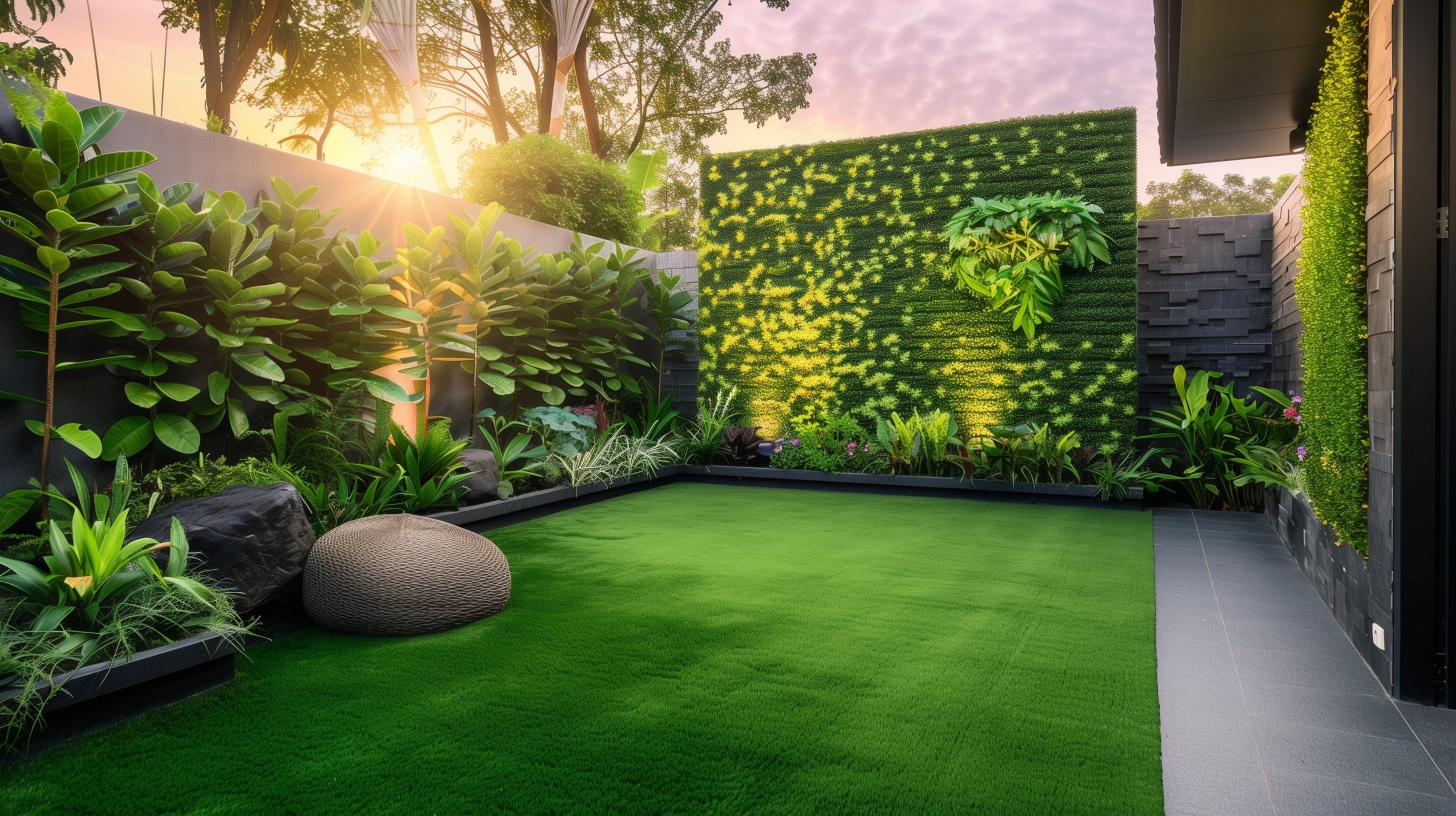
Artificial grass offers consistent durability, significant water savings, reduced maintenance, increased safety, and year-round curb appeal. Most homeowners choose it to lower ongoing costs and simplify yard care while maintaining a clean, green appearance in varying climates and heavy-use spaces.

Many homeowners use artificial grass when heavy foot traffic is anticipated or they live in areas with harsh weather conditions. The strength of artificial grass can maintain its consistency and appearance without compromising the investment. However, artificial grass offers additional advantages beyond durability, including those mentioned below.

How Does Artificial Grass Conserve Water at Home?

Artificial grass reduces or eliminates routine irrigation needs, helping homeowners conserve water and lower utility bills. Protecting your resources during droughts and reducing utility costs are among the benefits of artificial turf installation San Diego homeowners increasingly turn to for their landscaping projects. Its ability to conserve water lowers the need for daily irrigation. That accounts for nearly half of a residential property’s water usage. Instead, the artificial grass will avoid water waste from evaporation, runoff, or inefficient sprinkler systems.

Conserving water will help you maintain regulatory compliance, boost your property value, and save on bills and outdoor activities.

Why Does Artificial Grass Require Less Yard Maintenance Overall?

Artificial grass minimizes mowing, watering, fertilizing, and weeding, which lowers costs and saves time. Environmental regulations and dry climates are among the reasons maintenance costs increase for homeowners. However, adding artificial grass is a popular choice in landscaping design San Diego homeowners rely on to reduce those responsibilities without negatively affecting their landscapes. That leads to lower costs and more time to enjoy the yard or take on other responsibilities.

The need to fertilize your yard is reduced, eliminating the need to worry about keeping it green and appealing. Since applying regular chemical treatments isn’t required, keeping pests away is easier to do. The artificial grass includes a weed barrier and lacks organic soil, which prevents pests from entering the yard and nesting.

In What Ways Can Artificial Grass Increase Safety around Your Yard?

Artificial grass creates a level, mud-free surface that reduces tripping hazards and exposure to allergens. Keeping a nontoxic, well-maintained yard can address many of the safety issues that come with traditional landscapes. Artificial grass is even, unlike traditional grass. As a result, holes and uneven spots are less likely, reducing the risks of falls and other harmful movements.

Walking on the grass after different weather episodes such as rain or after water-related maintenance and activities should remain safe. When you avoid traditional landscaping options like grass, your family and friends can move freely throughout the yard, as artificial grass doesn’t form mud pits, making it safer to walk on after rain.

How Does Artificial Grass Maintain Year-Round Curb Appeal?

Artificial grass stays green, uniform, and resilient in changing weather conditions, preserving visual appeal. Increased marketability is essential for homeowners, as is maximizing functional living space. For example, a yard with strong year-round appeal shows other individuals how well your property is kept, which will boost your resale value.

Another advantage of curb appeal is the mental and emotional lift it provides, helping you avoid a yard that feels unkempt or gloomy. Artificial grass is designed to withstand a wide range of challenges, from prolonged drought to limited sunlight, without losing its integrity. Because it stays mud-free and highly durable, it won’t turn brown or develop patchy areas over time. Instead, it keeps a consistently green, lush appearance that enhances your landscape and makes it stand out throughout the year.

Frequently Asked Questions

Does artificial grass really save water?

Yes. It eliminates most irrigation needs, significantly reducing outdoor water use.

Is artificial grass difficult to maintain?

No. It requires only occasional brushing and rinsing to keep it clean and upright.

Can artificial grass get muddy after rain?

No. Properly installed artificial grass drains efficiently and doesn’t form mud.

Is artificial grass safe for families and pets?

Yes. Most modern artificial turf products are nontoxic and designed for safe everyday use.

Will artificial grass fade or turn brown over time?

No. High-quality artificial grass is UV-resistant and maintains its color year-round.

Are you ready to turn your backyard into a space you’ll love every day? The team at GAIA Builders & Pools brings more than 20 years of experience designing and building custom outdoor living environments, from luxury pools and spas to outdoor kitchens, hardscaping, and complete landscape transformations. With a focus on craftsmanship, clear communication, and projects delivered on schedule and within budget, GAIA helps homeowners create beautiful, functional outdoor spaces tailored to their lifestyles. Schedule your free estimate today and take the first step toward your dream outdoor oasis.

Is Upgrading Your Backyard a Smart Home Investment?

Renovating a backyard is generally worth it for homeowners who plan to use the space regularly or improve resale appeal. Backyard upgrades typically enhance quality of life, encourage healthier habits, and increase property value. While San Diego outdoor renovation requires up-front investment, most homeowners gain lasting lifestyle benefits and stronger buyer appeal over time.

Backyard renovations can often feel like massive undertakings. After all, building a pool or outdoor kitchen takes some serious effort. But it’s also important to consider the many benefits you’ll enjoy once the dust clears. Similar to renovating the interior parts of your home, focusing on the outside can also bring new opportunities that are worth considering as you plan for some major updates.

How Can Backyard Renovations Support Mental and Physical Wellbeing?

Backyard renovations support mental and physical wellbeing by encouraging regular outdoor activity, sunlight exposure, and stress relief. Spending time outside is a known booster for overall mental wellbeing. Everyone needs some time in the sun to elevate their body and mind. Backyard upgrades, such as adding a swimming pool or creating a relaxing patio, can help you feel more motivated to get outside. Plus, swimming is an excellent form of exercise that strengthens your body and relaxes your mind.

Why Do Outdoor Kitchens Make Home Cooking More Enjoyable?

Outdoor kitchens make home cooking more enjoyable by making healthy meals faster, easier, and more appealing to prepare. Fast food and restaurant meals might be easy go-tos on busy nights. But they can often lead to unhealthy eating habits. Adding a cooking area or pool deck to your backyard gives you the perfect place to grill a meal that allows for quick cleanup when you have little room in your schedule for meal prep. You can use the extra time you save to take a relaxing dip in the pool before you head to bed.

How Does Backyard Appeal Influence Relationships with Neighbors?

Backyard appeal influences relationships with neighbors by shaping how your home is perceived within the surrounding community. If you have open fencing, your backyard should have the same degree of curb appeal as the front. After all, the people you live closest to tend to have a full view of this space. Enhancing the backyard can help you maintain positive relationships with the people in your community. Plus, you just might feel like inviting your neighbors over when you love entertaining in your backyard.

Can Backyard Improvements Increase Long-Term Property Value?

Backyard features can play a huge role in increasing your home’s property value. If you plan to resell in the future, you can bet prospective buyers will want to check out the back. Having a swimming pool appeals to everyone, including families, seniors, and athletes. Considering the wide appeal of swimming areas and patio spaces, you can bet people will be more willing to pay your asking price during a home sale in the future.

How Does Renovating a Backyard Boost Daily Quality of Life?

Renovating a backyard improves daily quality of life by creating an inviting space that encourages relaxation and meaningful time outdoors. When you look through your home’s window or walk outside, you should love what you see. A backyard filled with dirt, weeds, or just flat, blank space isn’t aesthetically pleasing. Plus, it’s normal to find mowing or other landscaping tasks to be pointless when you barely spend any time outside. Renovating your backyard offers so many benefits that you’ll find your entire perspective on life improves. Spending time with your family or even alone during a swim can help you relax and enjoy each new day.

Frequently Asked Questions

Do backyard renovations increase home value?

Yes, most backyard upgrades—especially pools, outdoor kitchens, and patios—typically increase property value and appeal to prospective buyers.

How does spending time in a renovated backyard benefit health?

Outdoor time boosts mental wellbeing through sun exposure and relaxation, while features like pools provide excellent low-impact exercise opportunities.

What backyard features offer the best return on investment?

Pools, outdoor kitchens, and well-designed patios generally deliver the strongest returns through both lifestyle benefits and increased property values.

Will my neighbors care if I renovate my backyard?

Yes, especially with open fencing. A well-maintained backyard enhances neighborhood aesthetics and can strengthen community relationships.

Is a backyard pool worth the maintenance effort?

Most pool owners find the lifestyle benefits—exercise, relaxation, entertainment—outweigh the maintenance requirements, especially with modern pool systems.If you’re ready to transform your backyard into a space that supports relaxation, wellness, and lasting value, GAIA Builders & Pools can help you bring your vision to life. Whether you need a premier landscape designer, pool builder, or deck contractor San Diego homeowners have trusted for more than two decades, we’ll transform your dreams into reality with innovative design and custom construction. With expert design, quality craftsmanship, and a personalized approach, GAIA creates outdoor spaces that feel like a natural extension of your home. Call us to explore recent projects and schedule a consultation today.

What Are the Different Types of Swimming Pools to Choose From?

Swimming pools are valuable additions to homes, as they can enhance homeowners’ health, wellness, and lifestyle. However, the type of pool individuals install will differ based on budgets, property size, location, state and local regulations, community rules, and more. Below are different types of pools and the advantages each option offers.

In-Ground and Above-Ground

Swimming pool installation typically determines whether a feature is in-ground or above-ground. Each provides its own construction material, which also determines the costs, styles, designs, and basis of the feature.

In-ground pools are often the most preferred due to their high customization options, increased property value, deeper depth, and permanence. The durability of this style of pool makes it popular, and its comfort and accessibility outweigh its intensive maintenance and safety and liability requirements.
Above-ground pools are another common swimming feature. This style offers lower costs and greater portability. Although its lifespan isn’t as long as an in-ground pool, the above-ground pool remains a common choice because its maintenance is easier and it requires less site preparation.

Concrete

The durability and customization options that come with this type of pool keep it highly ranked among other selections. When San Diego homeowners work with professional pool installers who specialize in every aspect of backyard design, they can be confident their concrete pools will add significant value to their properties.

The ability to fit nearly any type of slope or space makes this style one of the most common among homeowners. With proper build and continuous care, the concrete pool can last for generations, boosting its popularity.

Vinyl Liner

This pool is built with a custom-fitted vinyl sheet and other significant materials that make it a top choice for homeowners seeking a smooth, affordable, and customizable swimming feature.

The quick installation of a vinyl liner pool is another advantage. Most individuals love this swimming pool’s lower chemical maintenance requirements, underfoot comfort, and its stronger ability to reduce algae growth compared to other pool options.

Fiberglass

Fiberglass is often selected for its quick installation process, durability, and easy maintenance requirements. Another benefit is its strength and saltwater compatibility, both of which make this option cost-efficient and a common choice among homeowners.
Fiberglass pools are pre-molded, which can limit customization of size and shape, and some damage can increase the need for specialized repair. However, this style is more resistant to cracking, provides better handling of ground movement, and generally comes with 30 or more years of durability.

Infinity, Saltwater, and Natural Pools

When seeking a luxurious, picture-worthy style, an infinity pool is among the most sought after. It creates an illusion of merging water, increases property value, and provides better water circulation that boosts the cleanliness homeowners want.

Saltwater pools are common due to the reduced daily maintenance needs, long-term financial savings, and softer water with reduced harsh chemicals. The increased comfort leads to a good swimming experience.

A natural pool is popular for its eco-friendliness, low maintenance, and chemical-free nature. Many homeowners love the natural swimming experience this traditional-style pool provides.

Are you ready to transform your backyard into a personal oasis? Reach out to GAIA Builders & Pools today to work with our expert designers and contractors on creating your dream outdoor space. As a premier pool contractor San Diego homeowners have trusted for more than two decades, we transform customer dreams into reality with innovative design and custom construction. Whether you’re upgrading an existing pool or starting fresh, we’ll guide you every step of the way, and with our flexible financing options, bringing your vision to life has never been easier.

How Do Patio Covers Pay Off with Comfort, Savings & Home Value?

Patio covers come in many different styles and colors, but they all serve the essential purpose of providing protection for this common outdoor area. At first glance, you might love the look of patio covers. But you might also wonder if the extra cost of installing a patio cover is worth it for your home. Taking a look at how patio covers pay off immediately and over the upcoming years makes it easier to feel good about your decision to install one.

Lower Energy Costs

If your home receives a large amount of direct sun on the back side of your property, it might make sense to add a cover. Patio covers block the sunlight from hitting this part of your home, which can have the effect of keeping the adjacent rooms indoors cooler. Whether you struggle with high energy bills in the summer or simply prefer to feel cooler outside, a cover can help you achieve your goals.

Provide Shelter from the Weather

Spending time outside is important for your physical and mental health. Yet you might find your time outdoors is restricted during periods of extreme weather. Adding a patio cover could help you spend time outside on rainy days, or you might find sitting outside is more comfortable when you have a shield from the sun. Even your pets will find it more enjoyable to be outside when you install a patio cover.

Protect Outdoor Furniture and Equipment from Damage

If you have an outdoor kitchen area in your San Diego home, you know grills, griddles, and outdoor seating aren’t cheap these days. While you may still prefer to cover your cooking equipment to guard against dirt buildup, you’ll find outdoor gear stays newer longer once you put up a patio cover. Blocking the sun’s strong UV rays and keeping water away from your favorite cooking appliances prevents premature damage that could require expensive repairs or replacements. The same is also true regarding patio furniture that will be more resistant to fading and water damage when it’s properly covered by a shady structure.

Extend Your Living Space

Whether you’re hosting a birthday party or holiday celebration, no one ever complains about having too much space. Installing a patio cover can turn this part of your house into a usable entertainment area, even on excessively sunny or rainy days. You might set up a kids’ play area with games to help the little members of your family burn off energy outside under the safe cover of the patio shade. Or you might enjoy having a cup of tea with your family membesr outdoors during a slow rain shower. Having extra entertainment options is always a good thing, and a patio cover makes it easy to expand your living area for guests.

Enhance the Curb Appeal

If your home’s patio backs up to a walking path, street, or other shared community space, you may also want to consider the visual effect patio covers create. Your contractor can help you pick out a color and style for the patio cover that matches your home and the neighborhood’s aesthetics.Are you ready to make your outdoor space more comfortable, functional, and beautiful? GAIA Builders & Pools specializes in custom patio covers designed to enhance your home and fit your lifestyle. From stylish shade structures to fully integrated outdoor living solutions, our experienced San Diego outdoor renovation team can bring your vision to life. Call us today to schedule a consultation and start transforming your backyard into a space you’ll enjoy year-round.